Learning how to build a brand from scratch in 2026 looks nothing like it did even three years ago. Back then, a logo, a website, and a few social posts were enough to get noticed. Today, you’re competing for attention across Google Search, AI Overviews, ChatGPT, Instagram, and a customer’s inbox, often all in the same afternoon. If your brand isn’t clear, consistent, and genuinely useful across every one of those touchpoints, it simply won’t get picked.
I’ve watched founders spend lakhs on a “premium” logo while ignoring the fact that nobody could explain what their business actually stood for in one sentence. That’s backwards. Brand building starts with clarity, not visuals.
Start With Positioning, Not a Logo
Before you touch fonts or colour palettes, answer one question honestly: what specific problem do you solve, for whom, better than anyone else? This is your positioning, and it drives every decision after it, from your website copy to your ad targeting.
Interestingly, even legacy giants are relearning this lesson. Nike’s recent pivot back toward brand storytelling, after years of leaning hard into direct-to-consumer performance marketing, is a reminder that when people trust a brand, its ads convert faster and its messaging lands with less effort, as this analysis of Nike’s brand shift points out. If a company with Nike’s ad budget needs strong positioning to make performance marketing work, a new brand certainly does.
In India, look at how boAt built an entire audio brand around “affordable rebellion” rather than just competing on specs. That single, sharp positioning line let them out-market companies with far bigger budgets.
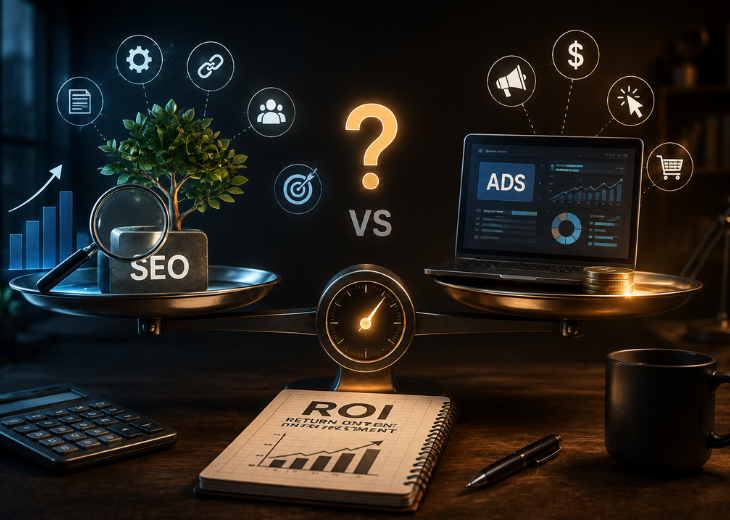
Why SEO Is the Foundation of Brand Trust in 2026
This is exactly why working with an experienced seo company in India matters more now than it did five years ago. Algorithm volatility used to mean waiting it out. In 2026, it means restructuring your content strategy around real topical authority, not keyword density. If you’re evaluating options, a good seo services india provider should be able to show you how they’ve adapted client strategies to these specific 2026 updates, not just recycled a 2022 playbook. We break down exactly how we approach this shift in our own SEO, AEO and GEO services.
Being the Brand AI Actually Recommends
Here’s a question I get asked constantly now: does it matter if I rank on Google if nobody’s clicking through from ChatGPT or Perplexity? Honestly, yes, it matters even more. Answer Engine Optimization and Generative Engine Optimization aren’t buzzwords anymore, they’re the difference between being cited by an AI assistant and being invisible to an entire generation of searchers.
The strategists writing about personal branding in 2026 have started calling this the “AI visibility gap,” the moment when someone asks an AI tool who the best option in a category is, and your brand simply doesn’t come up because you were never cited by authoritative sources in the first place, as explained in this personal branding breakdown. Closing that gap means earning genuine mentions in credible publications, not stuffing your site with keywords and hoping.
This same logic applies locally. Google’s 2026 updates to Business Profiles, including AI-automated answers to customer questions and stricter verification requirements, mean your local listing now behaves less like a directory entry and more like a live data source that AI systems pull from, according to PinMeTo’s rundown of the year’s GBP changes. A neglected Google Business Profile in 2026 doesn’t just hurt your Maps ranking, it hurts your visibility in AI-generated local recommendations too.
Paid Ads: PPC That Builds Brand, Not Just Clicks
I’ll be blunt here. Too many founders treat paid ads and branding as separate budgets. That’s a mistake. Every ad is a brand impression, whether it converts or not.
Automation: The Quiet Engine Behind Brand Consistency
Here’s something that doesn’t get discussed enough: brand consistency isn’t just about your visuals, it’s about whether every customer interaction feels like it came from the same company. That’s where marketing automation services india providers earn their keep, connecting your CRM, email flows, and chat systems so nothing falls through the cracks.
How Long Does It Take to Build a Brand From Scratch?
Realistically, expect 6 to 12 months before your brand feels recognisable, and 18 to 24 months before it feels established. Anyone promising overnight brand recognition is selling you something. Even well-funded Indian D2C brands like Mamaearth took years of consistent SEO, content, and paid media work before becoming household names.
Common Mistakes I See Founders Make
Skipping market research to “just launch fast.” Copying a competitor’s visual identity instead of building distinct positioning. Treating AI-generated content as a finished product instead of a first draft that needs a human’s actual voice layered on top, especially given growing consumer fatigue with obviously AI-polished content, a trend covered well in this piece on 2026 brand identity. Ignoring analytics until three months in, by which point you’ve already wasted budget on the wrong channels.
If you want to see how this plays out with real numbers, our case studies walk through actual brand-building campaigns from discovery to scale.
Final Thoughts
Building a brand from scratch in 2026 isn’t harder than it used to be, it’s just different. The fundamentals of clear positioning and consistent voice haven’t changed. What’s changed is the number of surfaces you need to show up on, and how quickly AI systems now shape what people see before they even reach your website. Get the positioning right first, then let SEO, paid ads, and automation do what they do best: amplify a brand that’s actually worth amplifying.
How do I build a brand from scratch with a small budget?
Start with positioning and organic SEO before investing heavily in paid ads. A clear, well-written website and consistent Google Business Profile often deliver better early ROI than a large ad spend without direction.
What's the difference between branding and marketing?
Branding is the promise and perception you create, your positioning, voice, and visual identity. Marketing is how you deliver that promise to the right audience through SEO, ads, and content. You need both, but branding should come first.
How much does it cost to build a brand in India?
Costs vary widely, but a realistic starting range for positioning, a professional website, and initial SEO and content work typically falls between ₹1.5 lakh and ₹8 lakh, depending on industry and competition level.
Do I need SEO and paid ads at the same time?
Not necessarily at launch. Many brands start with foundational SEO and organic content, then layer in PPC advertising management once they understand which keywords and audiences actually convert.
How important is Google Business Profile for a new brand?
Extremely important if you serve local customers. In 2026, an incomplete or inactive profile can hurt visibility not just on Google Maps, but in AI-generated local recommendations as well.