If a customer messaged your business at 11 p.m. tonight, who would answer? For a fast-growing number of American companies, the answer is a chatbot. In plain terms, a chatbot is software that holds a conversation with a person through text or voice, and today’s smartest versions do far more than repeat canned FAQs. A well-built AI chatbot for lead generation can greet a visitor, understand what they need, qualify them, and hand a sales-ready contact to your team before a human ever picks up the phone. I have watched this shift move from novelty to necessity, so in this guide I will break down what a chatbot actually is, how it works, and why your business probably needs one now rather than later.
What is a chatbot in simple terms?
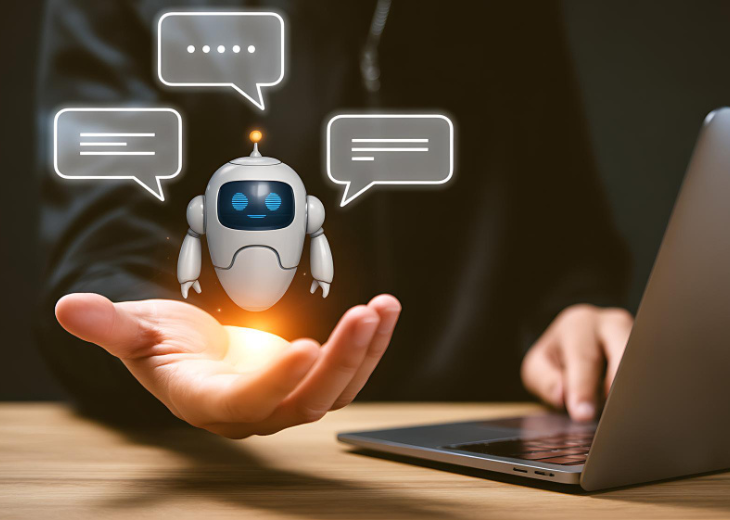
A chatbot is a computer program that simulates human conversation. You type or speak a question, and it responds instantly, either from a script or by generating an answer on its own. The earliest ones followed rigid rules. A modern ai chatbot for business runs on natural language processing and large language models, the same family of technology behind tools like ChatGPT and Google Gemini, so it can understand messy, real-world phrasing instead of forcing people through a menu.
Think of it as a tireless team member who works every hour, never forgets a follow-up, and can talk to hundreds of people at once without losing patience.
How does a chatbot work?
Under the hood, most chatbots follow four steps. First, they receive your message. Second, natural language processing breaks that message down to figure out intent. Third, the bot decides on a response, either pulling from a knowledge base or generating one with AI. Fourth, it replies and, when needed, triggers an action like booking a meeting, updating your CRM, or routing you to a human. There are two broad types worth knowing:
- Rule-based chatbots follow pre-set decision trees. They are predictable and cheap, but they break the moment a customer phrases something unexpectedly.
- AI chatbots use machine learning to interpret language and improve over time. This is where an intelligent chatbot for sales really shines, because it can handle nuance, remember context, and personalize the pitch.
My honest opinion: unless your use case is extremely narrow, rule-based bots feel dated in 2026. Customers can tell within two messages, and a clunky bot damages trust faster than having no bot at all.
Why your business needs one, backed by the numbers
- Leads. Around 55% of marketing and sales leaders who use chatbots report a jump in high-quality leads, and 64% say AI chatbots helped them generate more qualified leads.
- Speed. Roughly 62% of consumers say they would rather interact with a chatbot than wait on a human agent, so a bot that answers on the spot wins the moment.
- Cost. Automating routine questions frees your team to focus on the conversations that actually close.
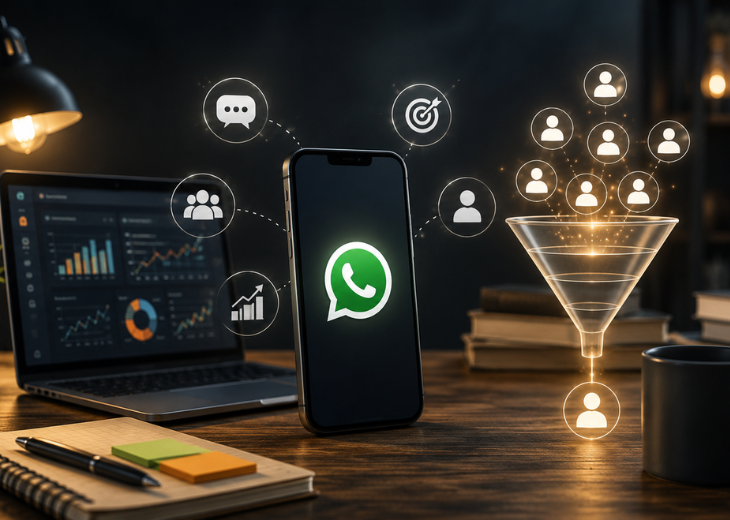
In practice, a smart lead gen ai chat flow does the qualifying quietly in the background, asking the right questions so your reps only spend time on people worth their attention. Done well, chatbot lead qualification turns your website from a brochure into a working member of the sales team.
A US example everyone recognizes: Bank of America's Erica
Erica is not a gimmick bolted onto an app. It answers balance questions, flags rising subscriptions, and quietly routes emotionally sensitive requests to a real person. That last part is the lesson I would underline for any owner: the best ai chatbot customer support setups know exactly when to step aside. You see the same pattern with brands US shoppers already trust, like Sephora letting customers book a makeover or Domino’s taking a pizza order right inside the chat window.
Meet customers where they already are
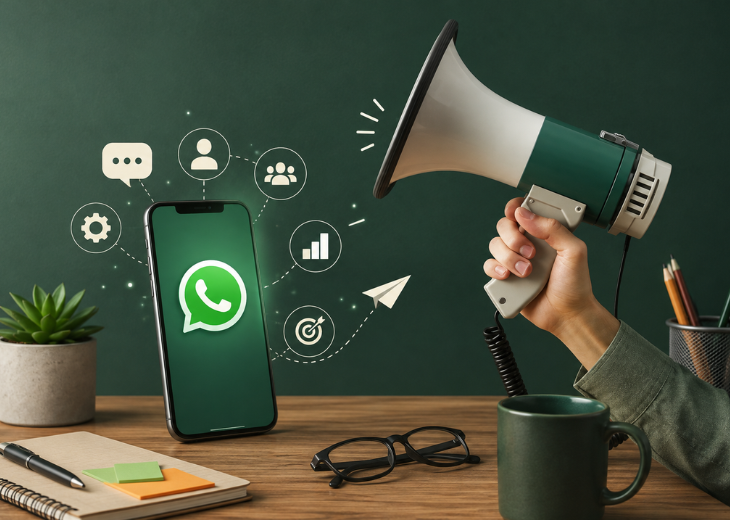
One shift I cannot ignore in 2026 is the move to messaging apps. A whatsapp chatbot for business lets you talk to customers on an app they open dozens of times a day, and the engagement is hard to beat. WhatsApp Business is now used by roughly 50 million businesses, with message open rates near 98%. For an American audience raised on texting, an email autoresponder feels slow by comparison. A well-designed flow on the channels your customers already use captures names, needs, and budget before a rep ever joins the conversation.
Are chatbots worth it for small businesses?
Short answer: yes, if you set the right expectations. You do not need Bank of America’s budget. Affordable AI has put sophisticated bots within reach of solo founders and local shops. My advice is to start with one job, not ten. Pick the single question your team answers most, or the lead form people keep abandoning, and let the bot own that first. Prove the return, then expand.
What I would avoid is launching a bot and walking away. A chatbot is only as good as the information and follow-up behind it. Most customers still want a clear path to a human, exactly like Erica offers, so build that door and keep it obvious.
My take: where this is heading
The takeaway I would leave you with: stop asking whether you need a chatbot. Ask which single conversation, if it happened instantly and every single time, would grow your revenue the fastest. Start there, then build out.
Turning conversations into customers
How much does an AI chatbot cost for a small business?
It varies widely. Simple website chat tools can start free or under 50 dollars a month, while custom AI chatbots built into your CRM and messaging channels cost more. The smarter question is return, not price. If a bot captures a handful of qualified leads a month that you would otherwise miss, it usually pays for itself quickly.
What is the difference between a chatbot and a virtual assistant?
They overlap. A chatbot mainly handles text conversations for a specific job, like support or lead capture. A virtual assistant is broader and often voice-enabled, handling many tasks across an app. Bank of America’s Erica is a virtual assistant, while a website lead bot is a focused chatbot.
Can a chatbot really generate and qualify leads?
Yes. A good chatbot greets visitors, asks qualifying questions, and captures contact details around the clock, then routes hot leads to your team. Many businesses report more qualified leads after adding one, because the bot never misses an after-hours enquiry.
Do customers actually like talking to chatbots?
Increasingly, yes, especially for quick answers. Most people would rather get an instant reply from a bot than wait on hold. The key is giving them an easy path to a human whenever the conversation calls for it.
How quickly can a business launch a chatbot?
A basic rule-based bot can go live in days. An AI chatbot connected to your CRM and follow-up system takes longer to plan properly, but the setup is faster than most owners expect once the core conversations are mapped out.